Bedarfsorientierte maßgerechte Kartons
Traditional operations manage box inventory. Automated operations manage flow.
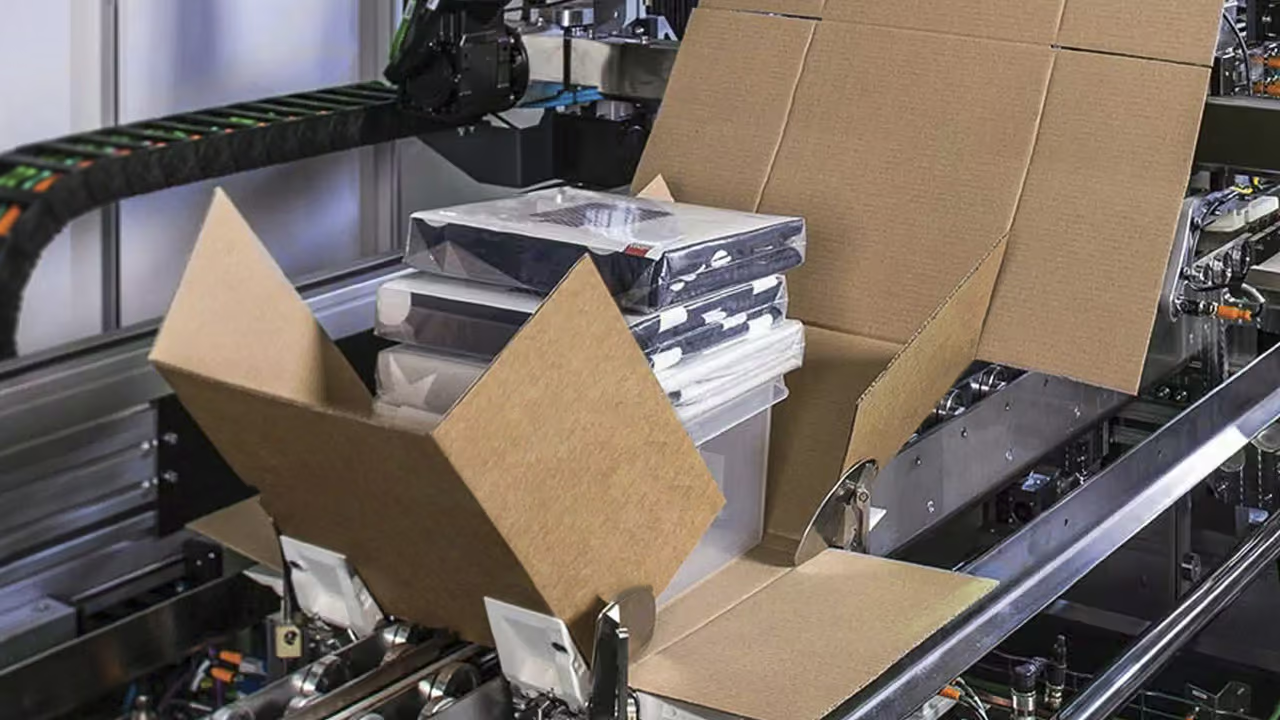
Instead of stocking dozens of pre-sized cartons, on-demand packaging systems produce custom cardboard boxes for each order. The packaging matches the product, rather than forcing the product into the closest available size.
Over time, that shift reduces dimensional weight charges, excess corrugate usage, and the floor space required for corrugated storage. It also removes the daily friction of searching for the “closest fit” at the pack station.
You don’t ship air. You ship what fits.
Reduziere die Gebühren für das Volumengewicht an der Quelle
Die Versandkosten werden zunehmend vom Volumen und nicht nur vom Gewicht bestimmt.
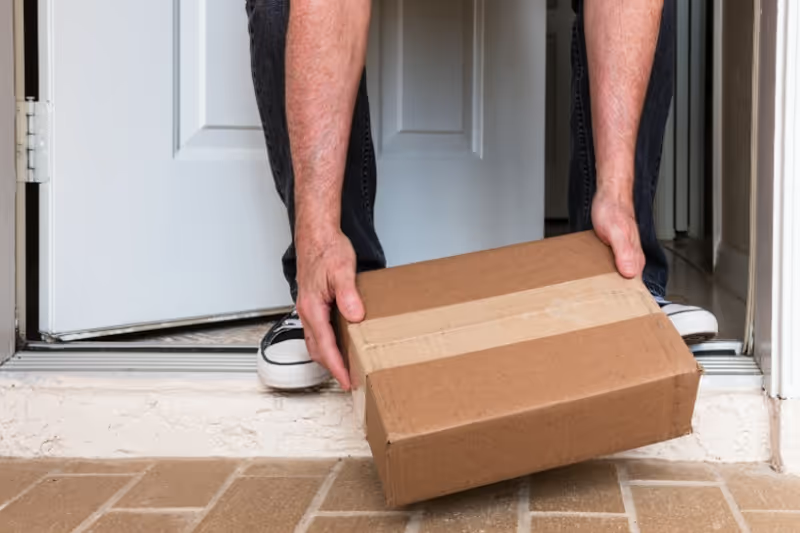
Übergroße Kartons erhöhen die Gebühren für das Volumengewicht in Paket- und LTL-Netzwerken. Selbst kleine Ineffizienzen summieren sich über Tausende von Sendungen.
Maßgerechte Verpackung löst das Problem an der Quelle. Durch die Minimierung der Luft in jedem Karton reduziert die Verpackungsautomatisierung das Volumen, das Spediteure zur Berechnung der Versandkosten verwenden. Anstatt erst nachträglich auf Frachtkostensteigerungen zu reagieren, erhält der Betrieb mehr Kontrolle darüber, was diese verursacht.
Für viele Unternehmen ist die Reduzierung von Gebühren für das Volumengewicht einer der klarsten finanziellen Vorteile der Automatisierung der Verpackung im Lager.
Arbeitsoptimierung als Betriebsstabilisator
Personalmangel äußert sich selten als einzelne Störung. Er macht sich vielmehr in Form von Durchsatzverlusten bemerkbar.
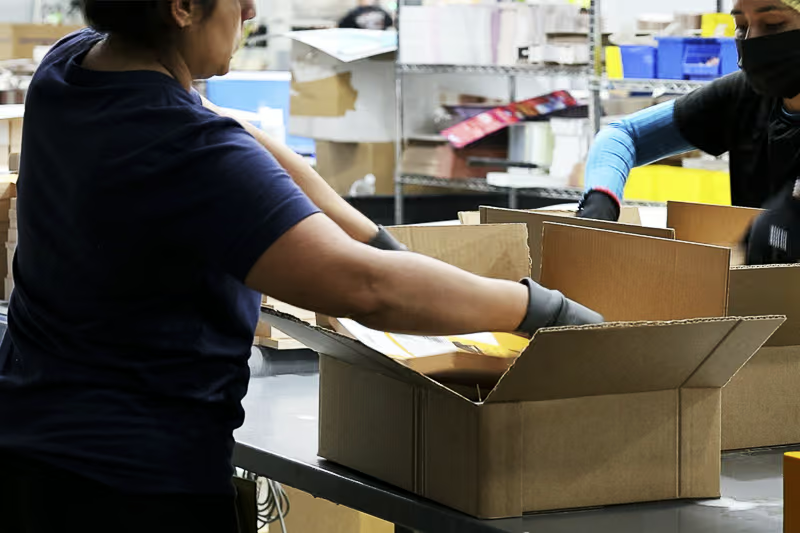
Manuelles Falten von Kartons, Einlegen von Füllmaterial, Kartonauswahl und Nacharbeit führen zu geringfügigen Schwankungen in jeder Schicht. Während Spitzenzeiten multiplizieren sich diese kleinen Ineffizienzen.
Die Automatisierung des Verpackungsprozesses vereinfacht diese wiederholbaren Schritte durch automatisiertes Falten von Kartons, integrierte Versiegelung und einen standardisierten Verpackungsablauf. Das Ergebnis ist eine größere Konsistenz, unabhängig von der Schichtzusammensetzung oder dem saisonalen Volumen.
Ziel ist nicht Personalabbau, sondern operative Stabilität.
Skalierbar durch Design
In der Hochsaison sollte dein Verpackungsprozess nicht komplett neu gestartet werden müssen.
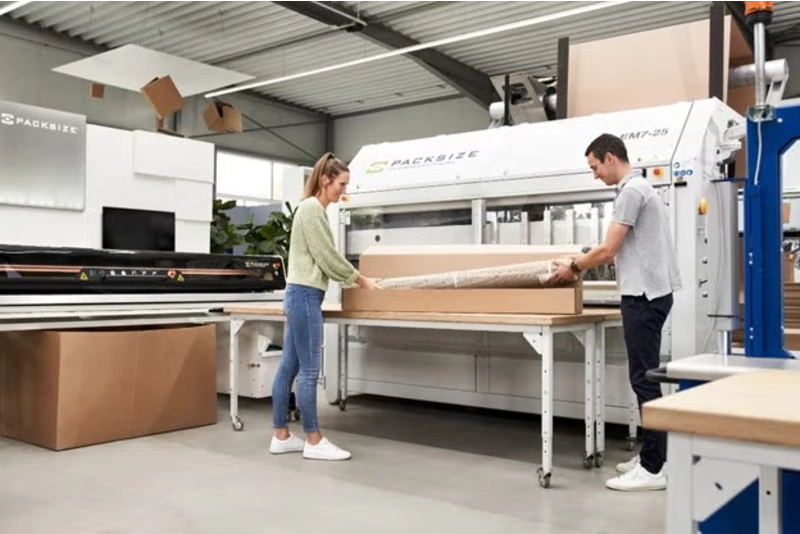
Da On Demand Packaging-Systeme dynamisch maßgerechte Kartons herstellen, sind die Abläufe nicht durch feste Kartonbestände eingeschränkt. Wenn sich die Auftragsprofile ändern, passt sich die Verpackung automatisch an.
Diese Flexibilität ermöglicht es Fulfillment-Teams, nach oben und unten zu skalieren, ohne Arbeitsabläufe neu gestalten oder die Anzahl der Wellpappen-SKUs erhöhen zu müssen. Die Verpackung wird so zu einer reaktionsfähigen Komponente des Betriebs anstatt zu einer Einschränkung.
Konzipiert für reale Fulfillment-Umgebungen
Die Verpackungsautomatisierung ist keine eigenständige Maschine. Sie ist Teil des umfassenderen Lagersystems.
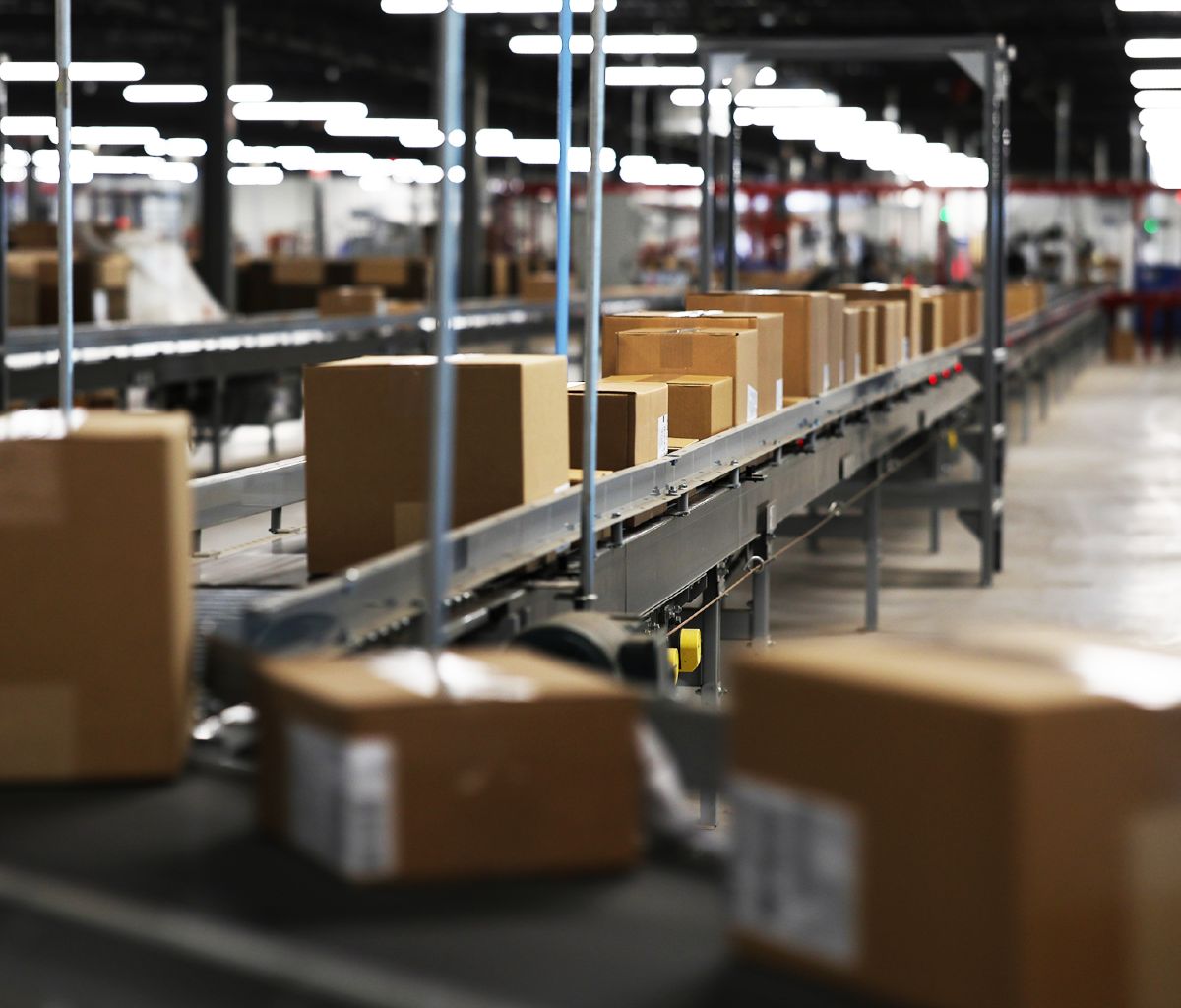
Effektive Verpackungsautomatisierungssysteme integrieren sich mit Lagerverwaltungssystemen (LVS), Lagerkontrollsystemen (WCS), Transport- und Sortierinfrastruktur sowie vorgelagerten Kommissionierungsprozessen. Wenn die Verpackung auf den übrigen Arbeitsablauf abgestimmt ist, unterstützt sie den Durchsatz, anstatt ihn zu verlangsamen.
Diese Integration ist es, was die Verpackung von einer nachgelagerten Aufgabe in einen betrieblichen Vorteil verwandelt.
Ist Verpackungsautomatisierung das Richtige für dich?
Egal, ob dein Betrieb komplexe, variable Auftragsgrößen oder den Versand großer Mengen verwaltet, Verpackungsautomatisierung kann die Effizienz schnell verbessern. Sie erhöht den Durchsatz, reduziert Kosten und Produktschäden, optimiert den Arbeitsaufwand und hilft, Platz in deinem Lager zu schaffen.
Die entscheidende Frage ist nicht, ob du Automatisierung benötigst. Die Frage ist vielmehr, ob die Verpackung derzeit Kosten, Komplexität oder Einschränkungen in deinem Erfüllungsprozess verursacht.
Wenn ja, lohnt es sich, genauer hinzusehen.